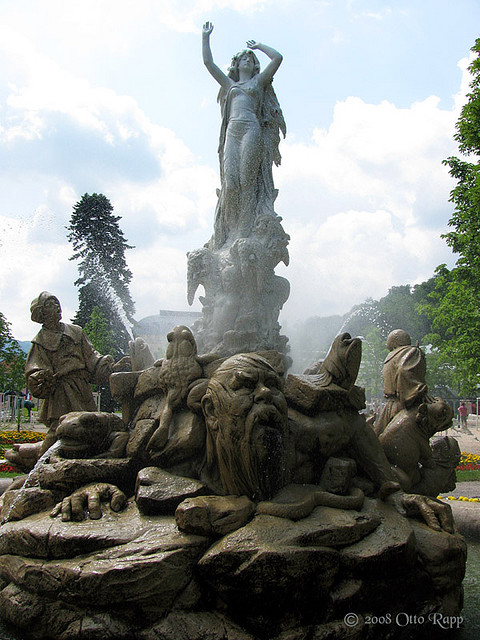
The fairy tale of Undine is immortalized in the Undine Fountain and the mermaid statue of Undine, created in 1903 by sculptor Josef Valentin Kassin to commemorate the completion of the city of Baden's water pipeline system. map
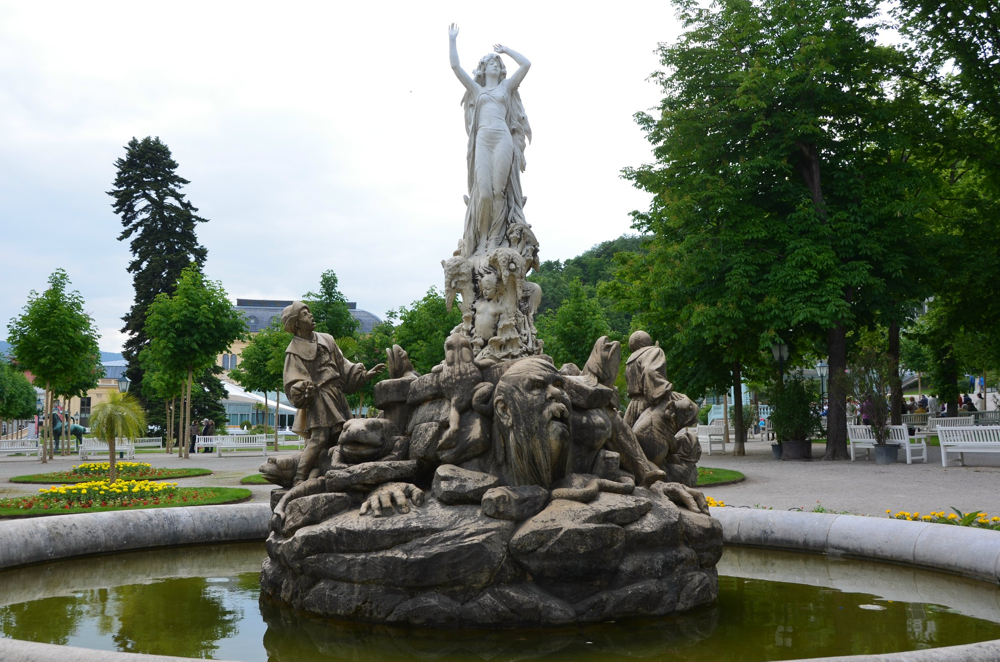
The mermaid fountain combines characters from the story of Undine, written by Friedrich de la Motte Fouque in 1811. According to this fairy tale, Undine is born a mermaid, but is exchanged as a child for a human child by a river god. She looks human while on land, but retains certain mermaid abilities. She marries a human and thereby obtains an immortal soul. She is an excellent wife, but a jealous human woman manages to turn Undine's husband against her. Rejected by her husband, Undine returns to the sea and her mermaid family, but warns her husband that he must remain faithful to her or she will be honor-bound to kill him. The husband fails to heed this warning and marries the other woman - after which Undine kills him despite her love for him. That is the (extremely) condensed summary of the story, which ends in sorrow as most of these 'mermaid loves human' stories do.
The Sculptor
The fountain was carved by Josef Valentin Kassin (1856–1931), a Carinthian-born sculptor trained at the Vienna Academy of Fine Arts under Carl Kundmann. Kassin won the Academy's Rome Prize in 1885 for a bronze Samson and Delilah, funding five years of study in Italy before he settled permanently in Vienna. His other work includes the Seefahrer sculpture at the Neue Burg, a marble bust of Emperor Franz Joseph I, and funerary monuments at Vienna's Zentralfriedhof, including one for the actress Marie Geistinger."
Materials and Model
The model for the Undine mermaid statue was Mercédès Jellinek, after whom the Mercedes automobile brand was named.
Jellinek was about thirteen when Kassin modelled her likeness; her father, Emil Jellinek, had already named Daimler's new 35 hp automobile after her in 1901 and would take Jellinek-Mercedes as his own surname the same year the fountain was unveiled. Jellinek grew up to become an opera singer and, by her own account, never learned to drive.
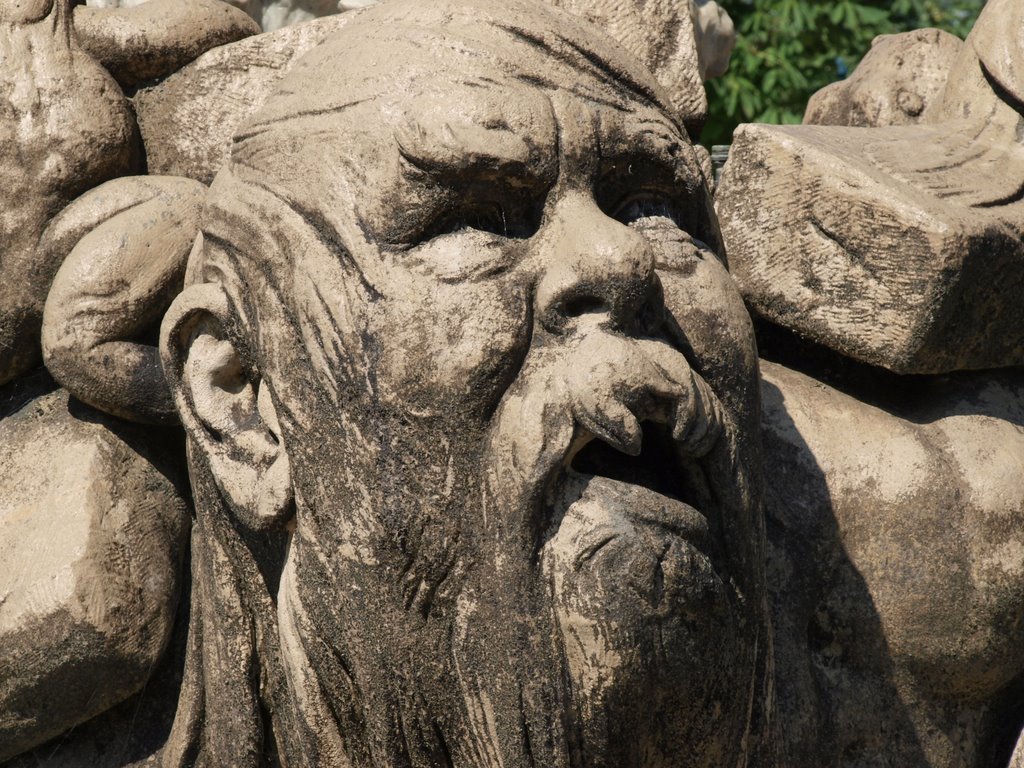
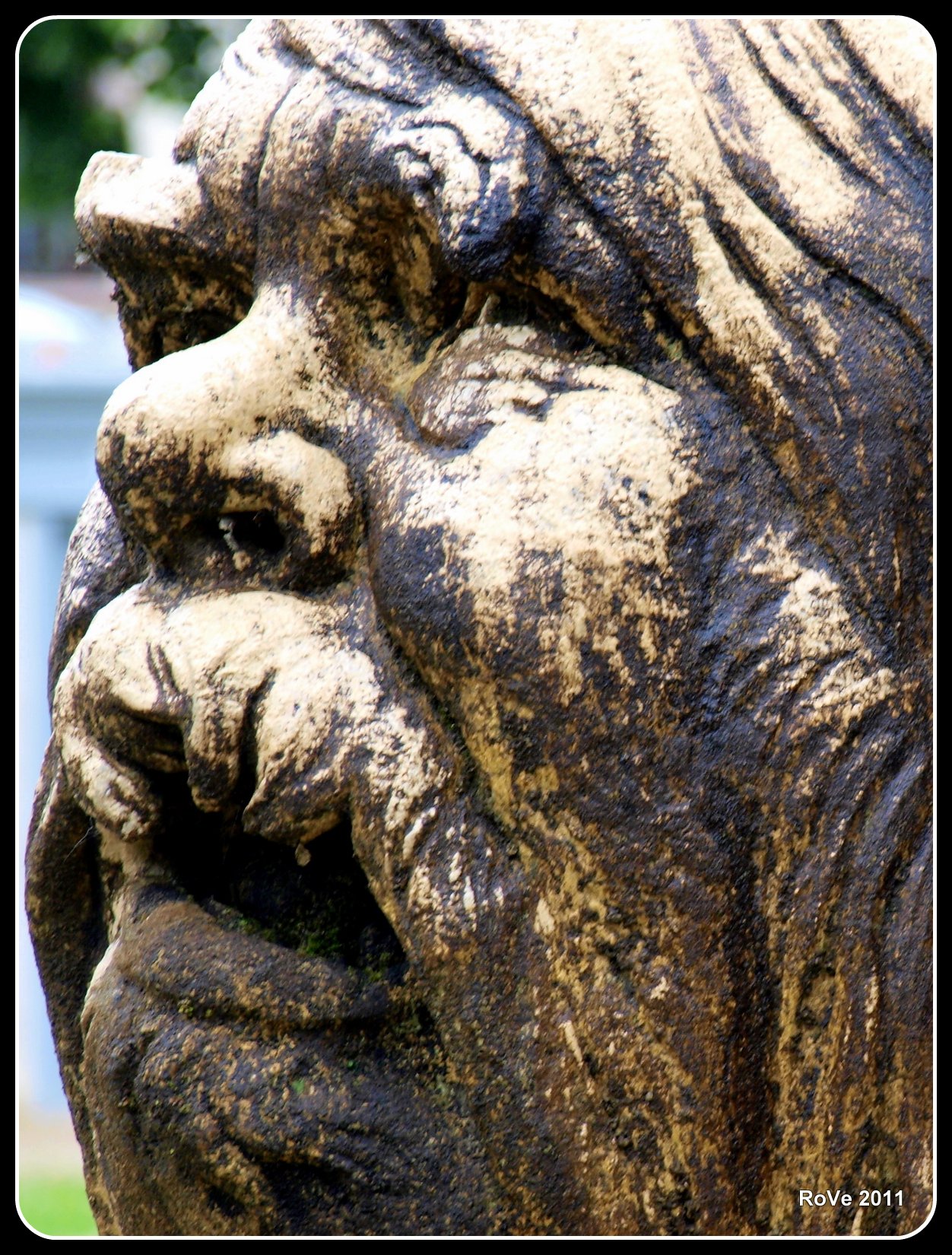
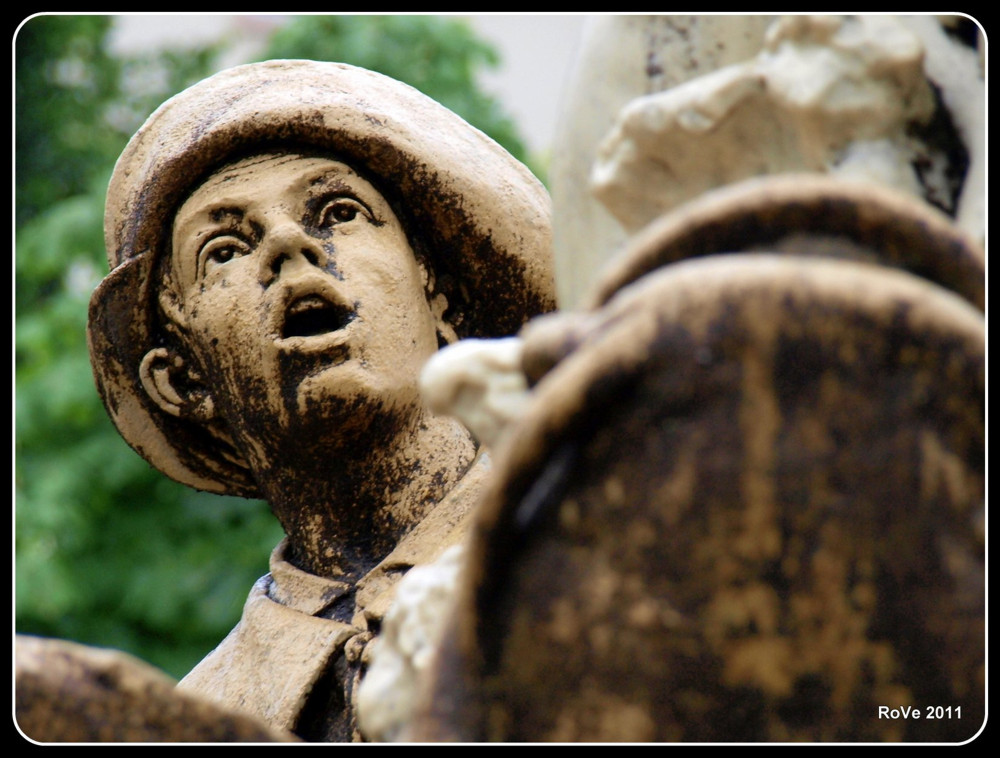
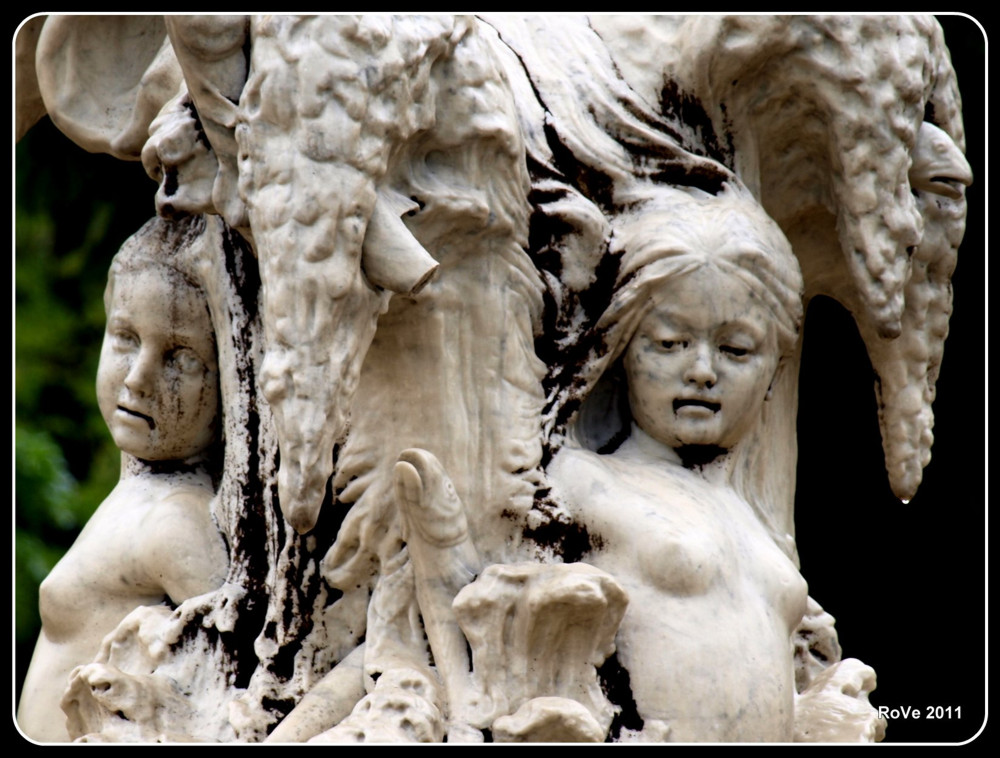
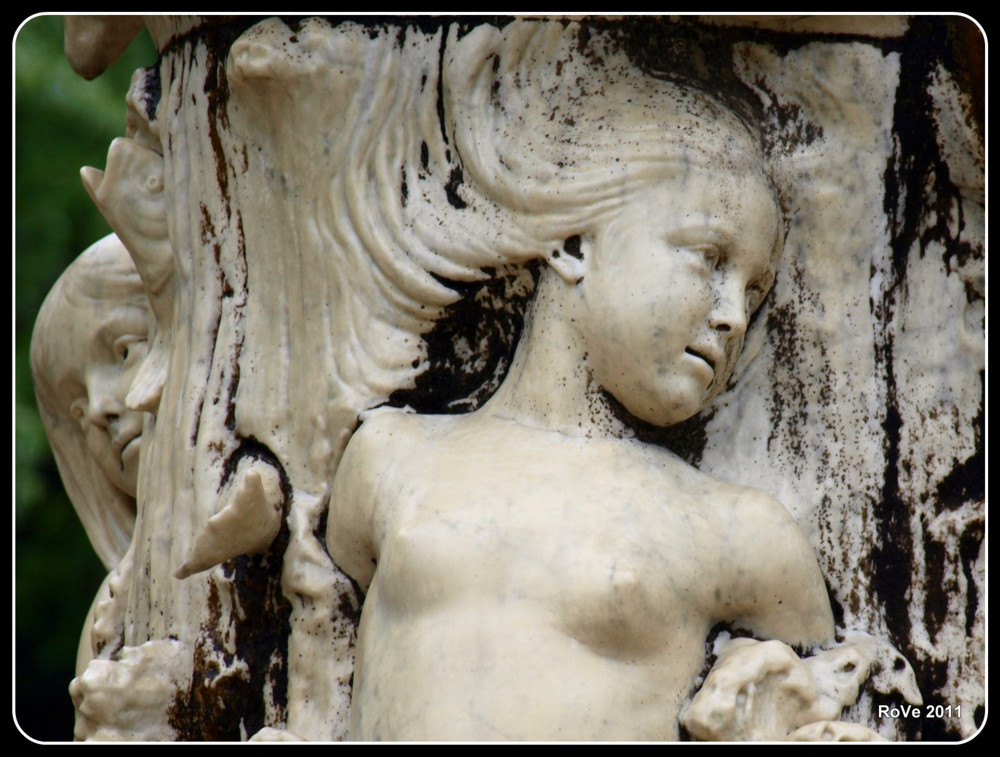
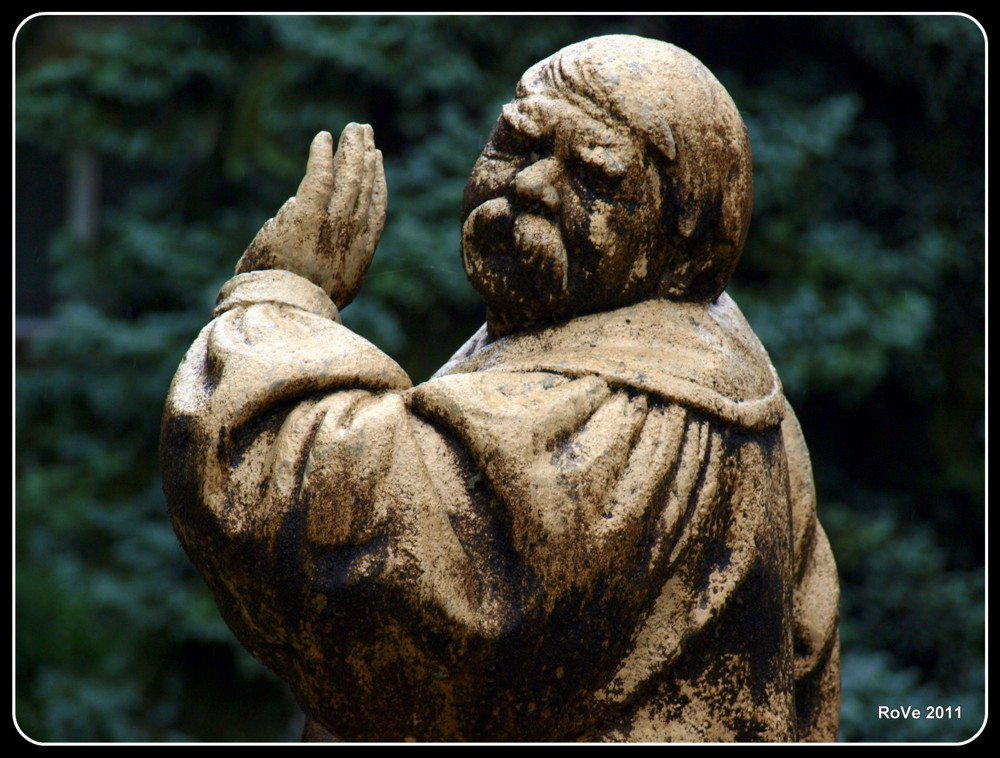
The base of the fountain is made of sandstone, while the mermaid statue of Undine is made of Italian Carrara marble. Kassin stated that the faces of the figures in the fountain were modeled on Baden citizen's.
What the Fountain Shows
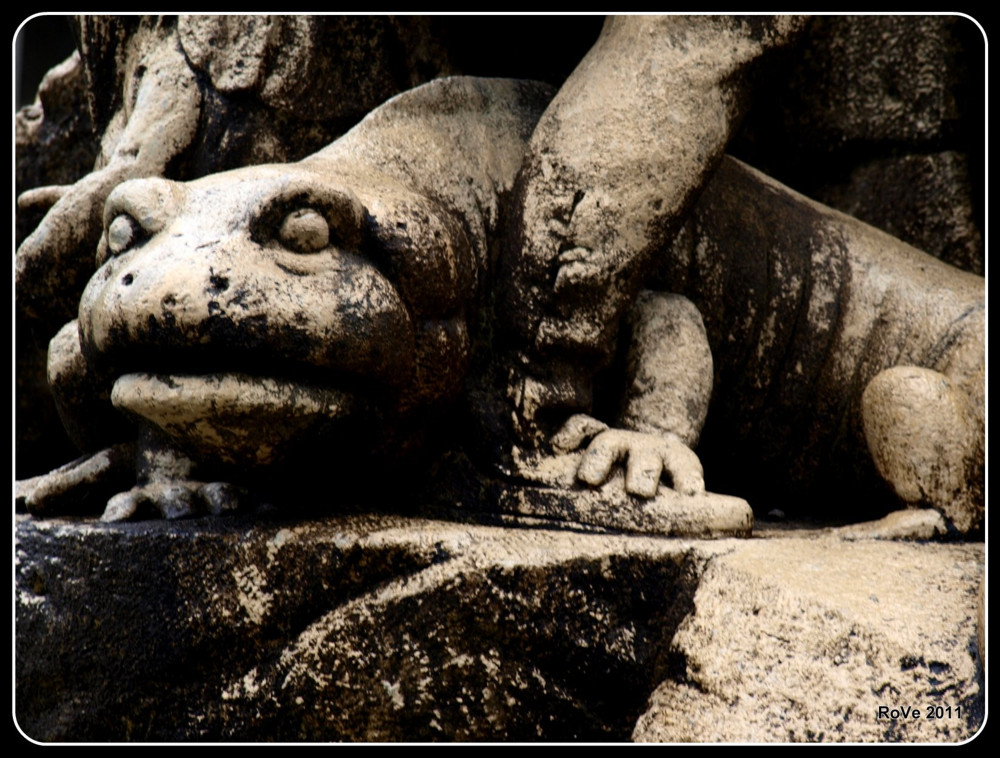
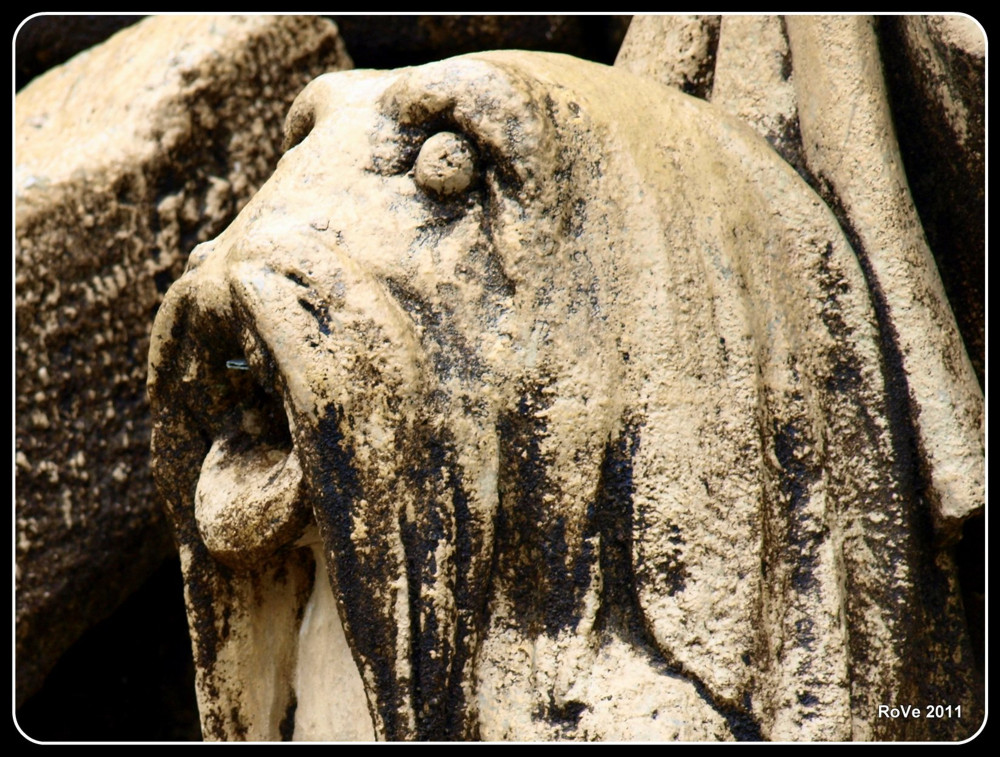
Kassin's composition captures a single dramatic moment from the story: Undine lifting the stone lid from the castle well and rising out of the water below. She is surrounded by her uncle, the water-spirit Kühleborn, a servant who once helped her, and a startled cellar-master recoiling from the spray. The whole scene is set on a sandstone base carved to resemble a broken wellhead.
Restoration
The fountain underwent a major restoration between 2023 and 2024, completed at a cost of around €680,000. City workers and heritage conservators repaired the fountain's aging pipework and leaking basin, cleaned mineral staining from the stone, repaired cracked and missing stone fragments, and installed a new mechanical-biological filtration system. The work was carried out in coordination with Austria's Federal Monuments Office, and the fountain's water was switched back on at a public ceremony on 21 September 2024.
Visiting
The fountain stands in the lower Kurpark, Baden's historic spa garden and part of the town's UNESCO-listed 'Great Spa Towns of Europe,' a short walk from the Congress Casino Baden and the park's music pavilion. The water runs seasonally and is covered over the winter months, so aim for a warm-weather visit."
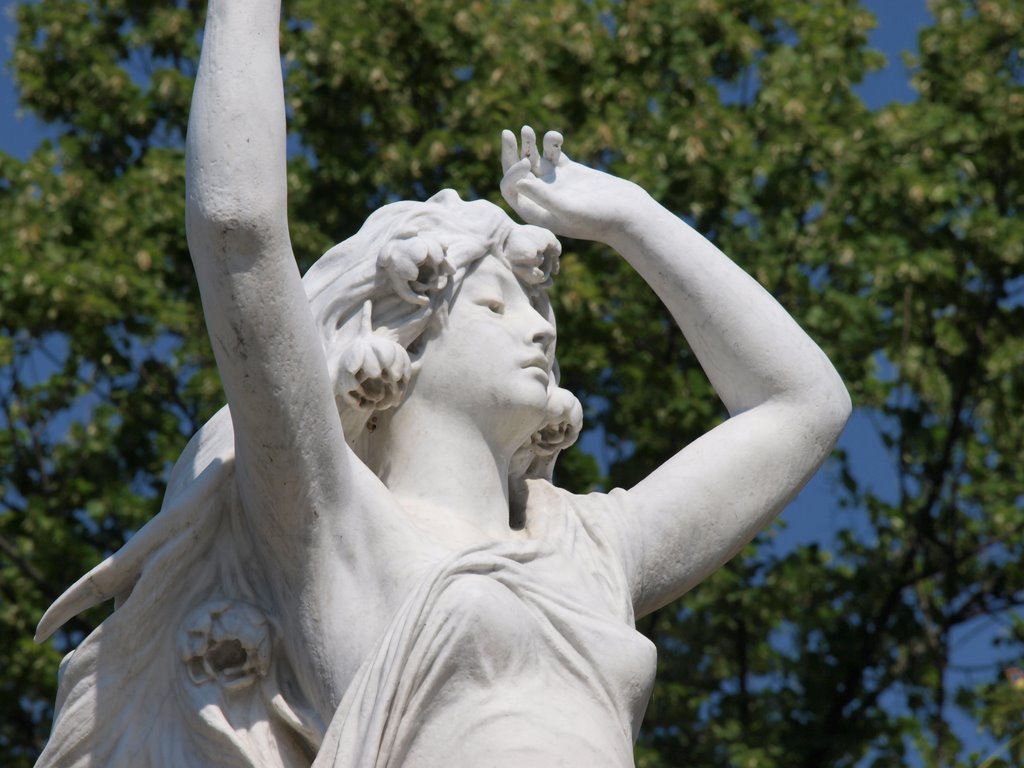
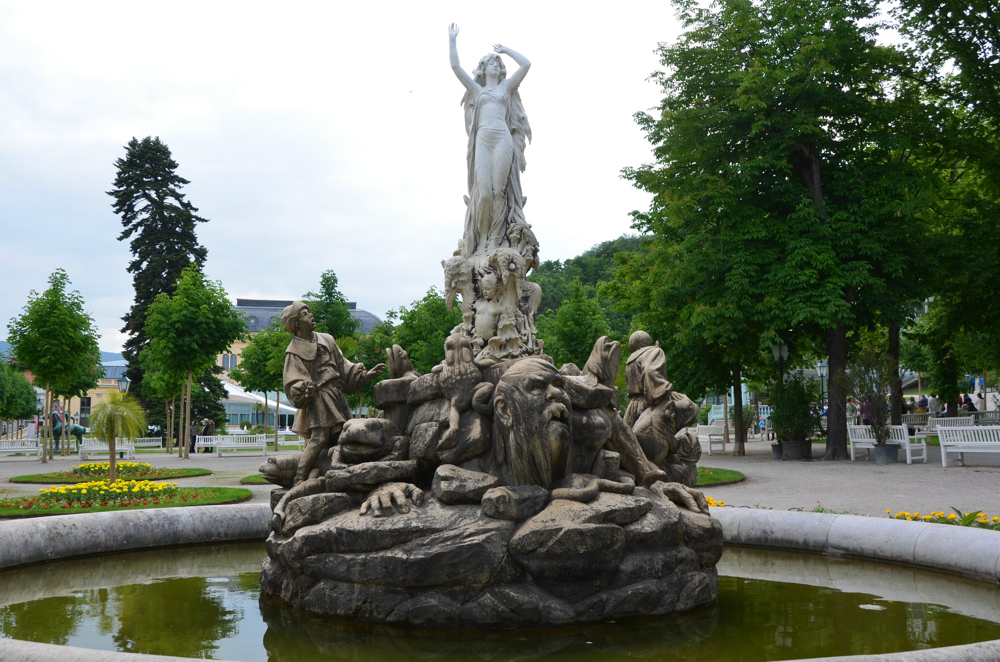
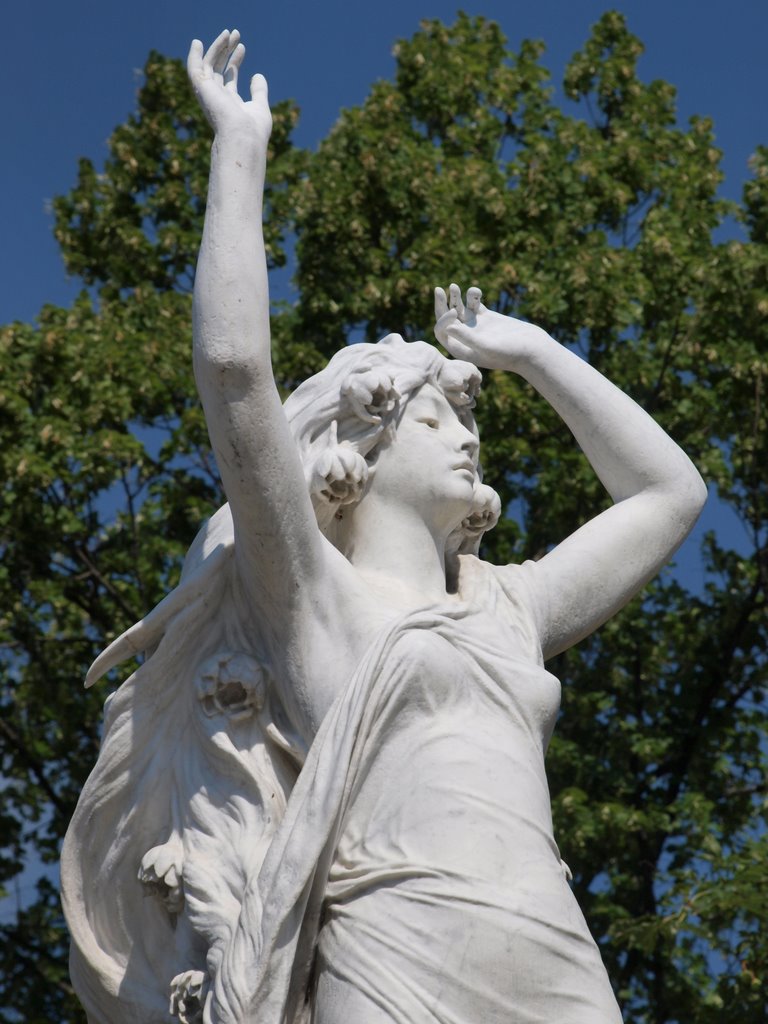
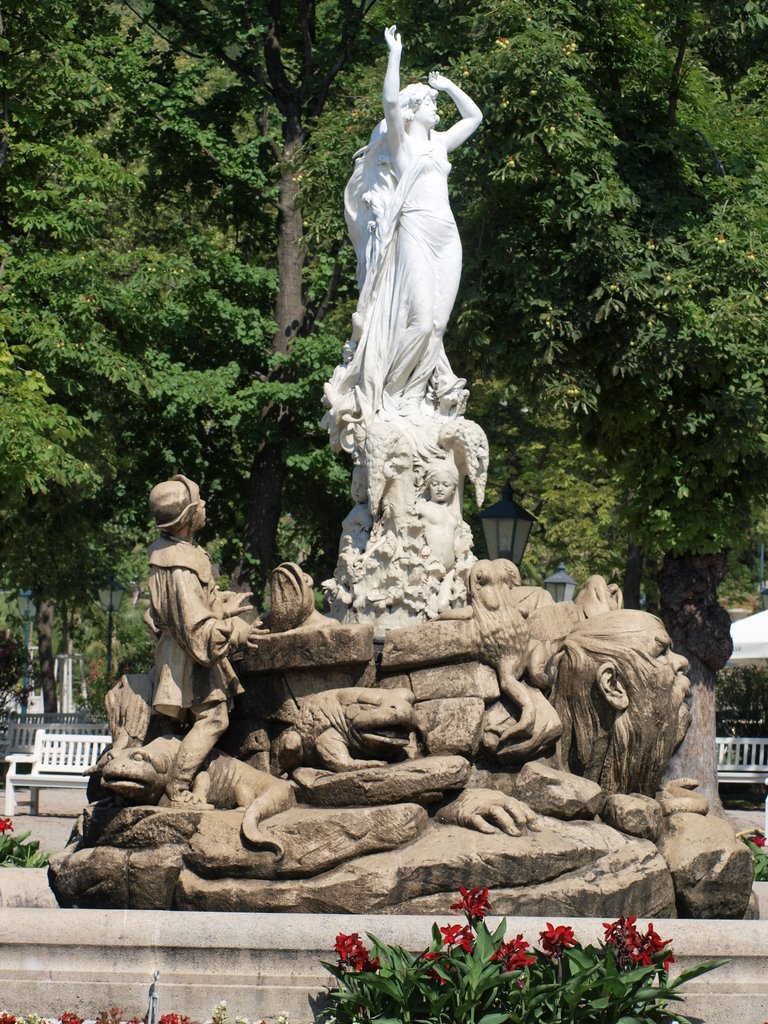
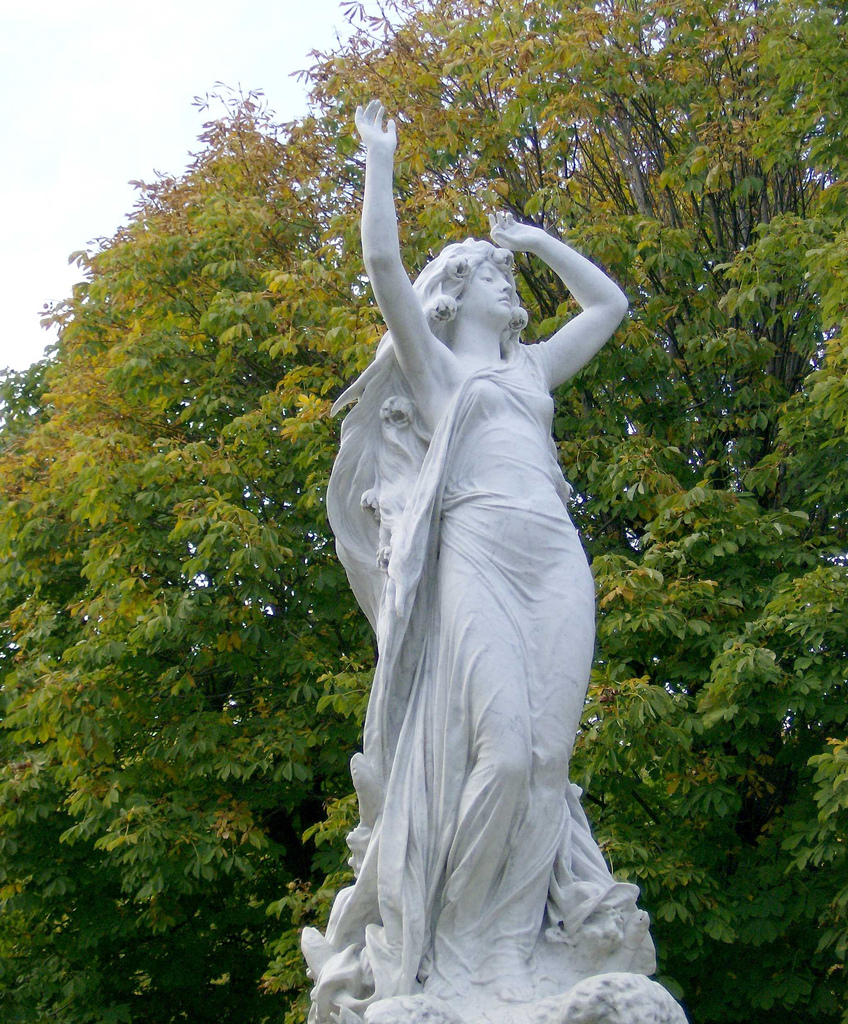
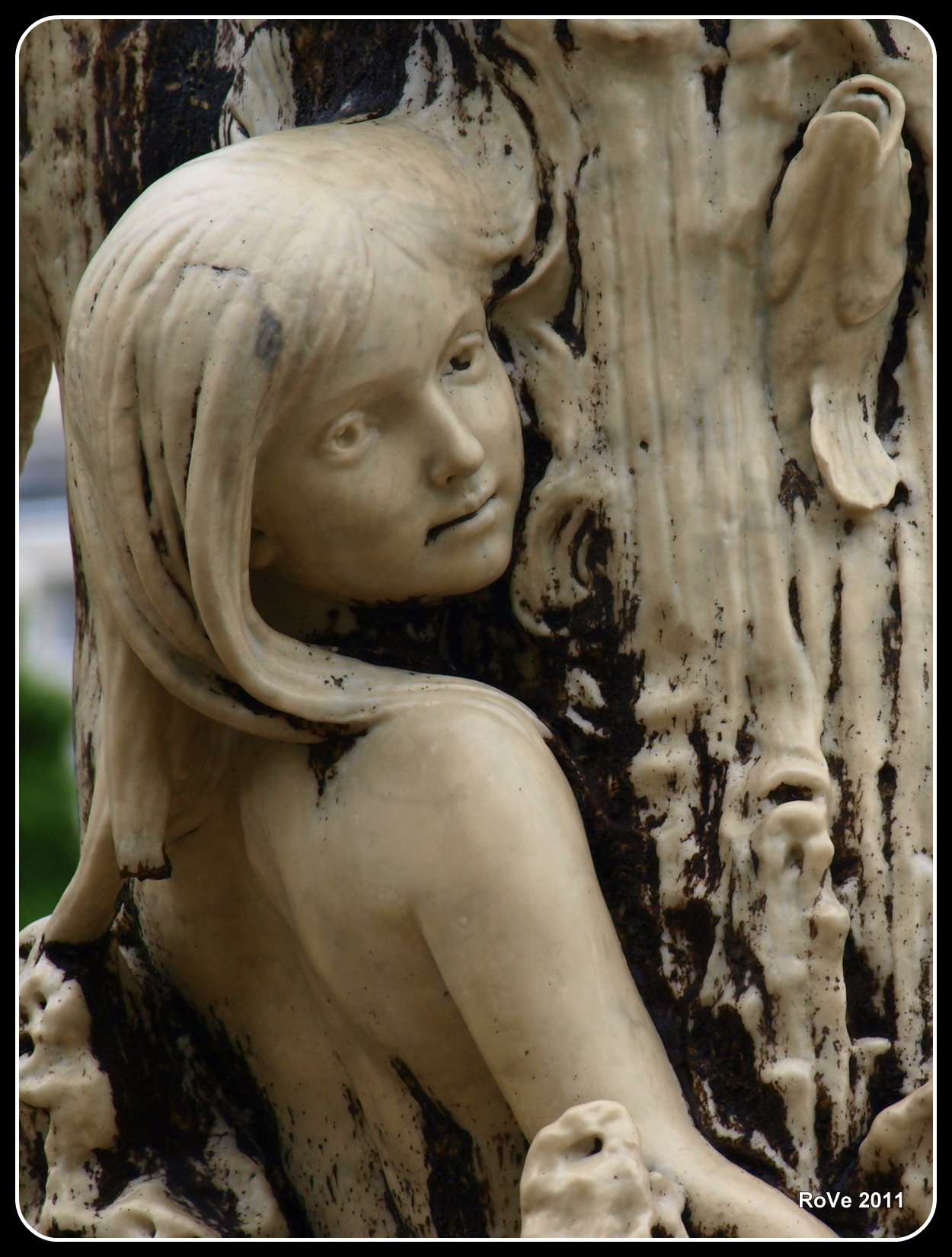
The Undine mermaid statue is clearly depicting her in her human form - with legs instead of a mermaid tail, and this makes sense considering the Undine fairy tale. Other mermaid statues that share this trait are the Pania of the Reef mermaid statue in New Zealand, and the Havis Amanda mermaid statue in Finland.
Undine herself explains the trade at the heart of the story: as Fouqué wrote her, water-spirits 'can only obtain a soul by the closest union of affection with one of your human race' — the bargain Undine makes, and that Huldbrand ultimately breaks.
The Undine mermaid statue is clearly depicting her in her human form - with legs instead of a mermaid tail, and this makes sense considering the Undine fairy tale. Other mermaid statues that share this trait are the Pania of the Reef mermaid statue in New Zealand, and the Havis Amanda mermaid statue in Finland.
Undine herself explains the trade at the heart of the story: as Fouqué wrote her, water-spirits 'can only obtain a soul by the closest union of affection with one of your human race' — the bargain Undine makes, and that Huldbrand ultimately breaks.
References:
● http://en.wikipedia.org/wiki/Friedrich_de_la_Motte_Fouqu%C3%A9
● http://www.gutenberg.org/files/2825/2825-h/2825-h.htm
● http://en.wikipedia.org/wiki/Merc%C3%A9d%C3%A8s_Jellinek
● https://www.autoblog.com/2012/06/28/meet-mercedes-jellinek-the-woman-behind-the-name/
● http://de.wikipedia.org/wiki/Josef_Valentin_Kassin
● https://www.autoblog.com/2012/06/28/meet-mercedes-jellinek-the-woman-behind-the-name/
● https://commons.wikimedia.org/wiki/File:Baden_-_Kurpark_-_Undinebrunnen.jpg
● https://www.flickr.com/photos/taiotoshi/324181283/
● The Mermaids of Earth coffee-table book: See page 65 in the book about this sculpture.