La Reina de los Mares (Queen of the Seas) is one of several mermaid statues located along the Paseo Claussen section of the famous Malecón in Mazatlán, Mexico. map
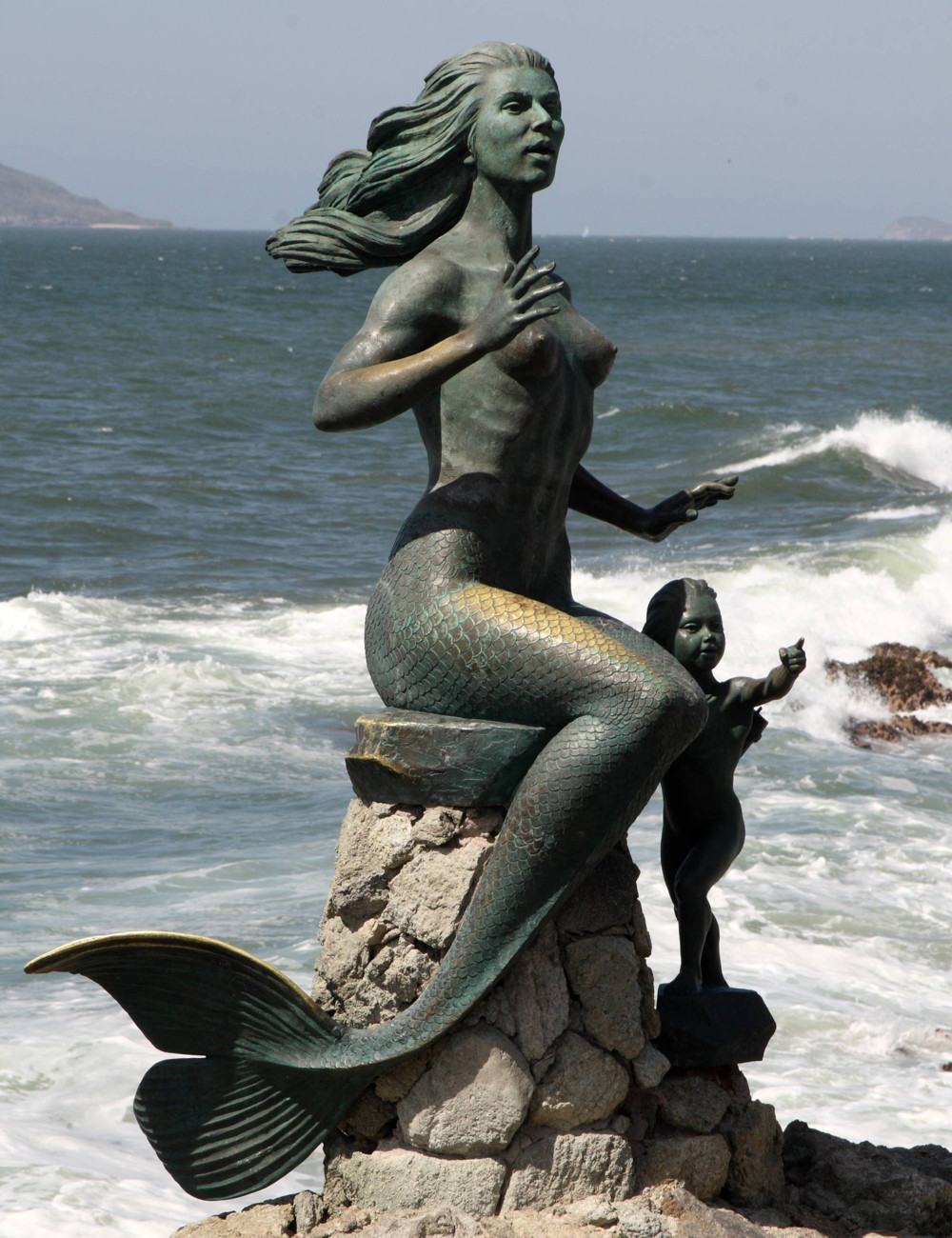
The little boy next to the mermaid appears to be Cupid, with a quiver of arrows carried on his back.
The sculpture has become one of Mazatlán’s best-known oceanfront landmarks and is especially admired for its dramatic placement directly against the Pacific surf.
This sculpture, also known simply as “La Sirena,” is one of the many sculptures, monuments, and attractions located along Mazatlán’s waterfront promenade.
Sculptor and History
Regional historical sources in Sinaloa consistently attribute the sculpture to Mexican sculptor Pedro Jiménez Corona and date the work to approximately 1980. There is no further data available about why the sculpture was made - but the Malecón is a popular tourist draw with many other sculptures.
Maritime Folklore and Symbolism
Over the years, La Reina de los Mares has developed a strong connection to local maritime folklore. Fishermen in Mazatlán have long regarded the mermaid as a symbolic guardian of the sea, and some consider passing the sculpture before heading out on the water to be a sign of good luck.
The small Cupid figure beside the mermaid has also contributed to the sculpture’s romantic reputation. The site is especially popular at sunset, when couples and visitors gather along the malecón overlooking the Pacific Ocean.
Location Along the Malecón
The sculpture stands near Glorieta Sánchez Taboada and the famous cliff-diving area known locally as El Clavadista, one of the most historic and visually dramatic sections of Mazatlán’s waterfront promenade.
Mazatlán is a popular tourist destination and has been increasingly so since the 1940s. The beautiful Malecón area has been significantly developed and upgraded in the last several decades.
At more than 5 miles in length, the Malecón features many hotels and resorts, restaurants and shops, and a wide variety of water sports and fishing opportunities.
Restoration and Preservation
Due to its exposed oceanfront location, the sculpture has experienced ongoing weathering from saltwater, wind, and wave action. Over the years, portions of the sculpture — including parts of the Cupid figure — have also been damaged or stolen through vandalism.
Local restoration efforts have periodically repaired and preserved the monument, reflecting the strong emotional connection many Mazatlán residents feel toward the sculpture and its importance as a symbol of the city’s maritime identity.
Legacy and Cultural Importance
Today, La Reina de los Mares remains one of the most photographed sculptures along the Mazatlán malecón. Its combination of mythology, romance, and its dramatic oceanfront placement amidst Pacific waves crashing against rocks continues to make it one of the city’s most recognizable public artworks.
References:
● https://en.wikipedia.org/wiki/Mazatlán
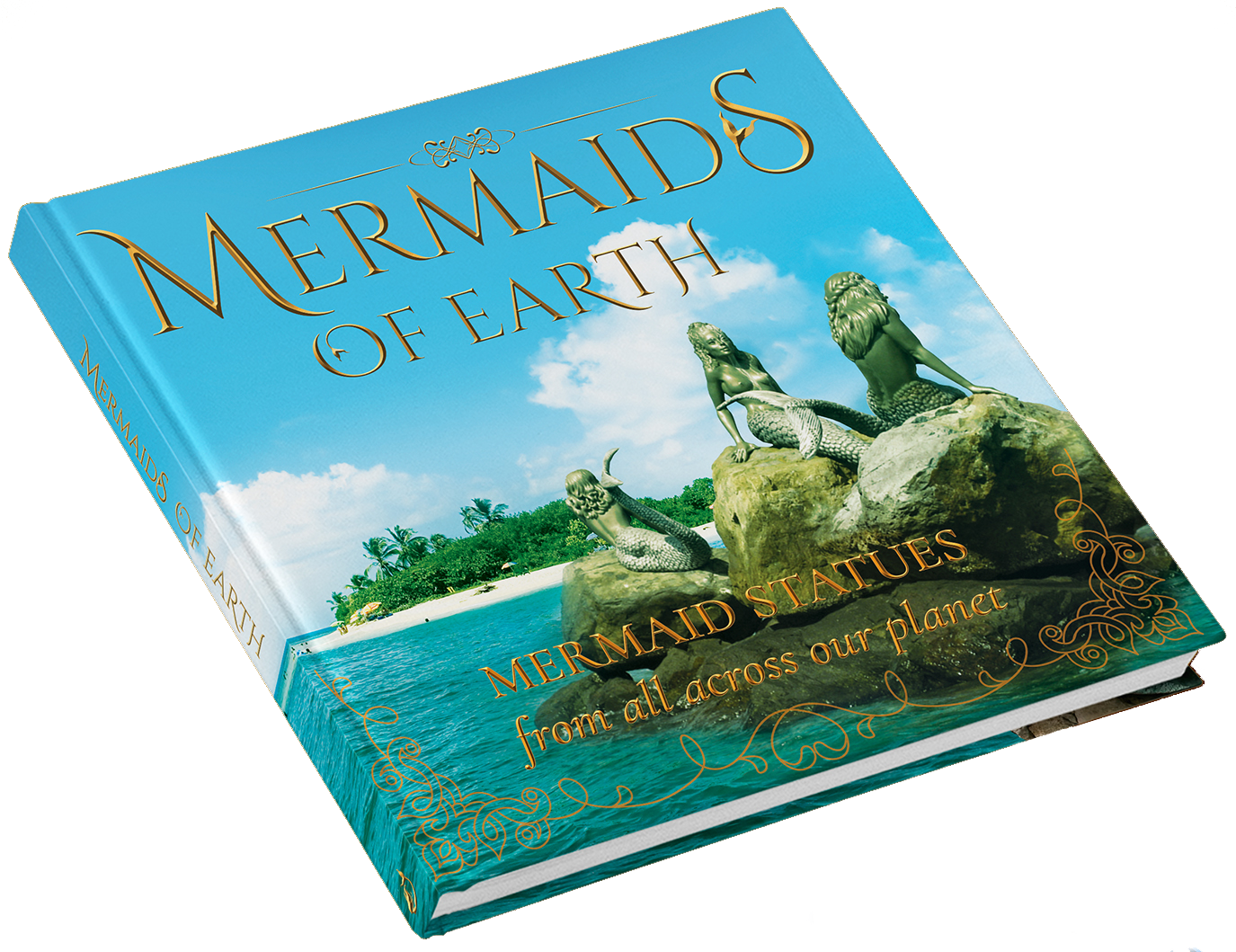
● The Mermaids of Earth coffee-table book, page 149.